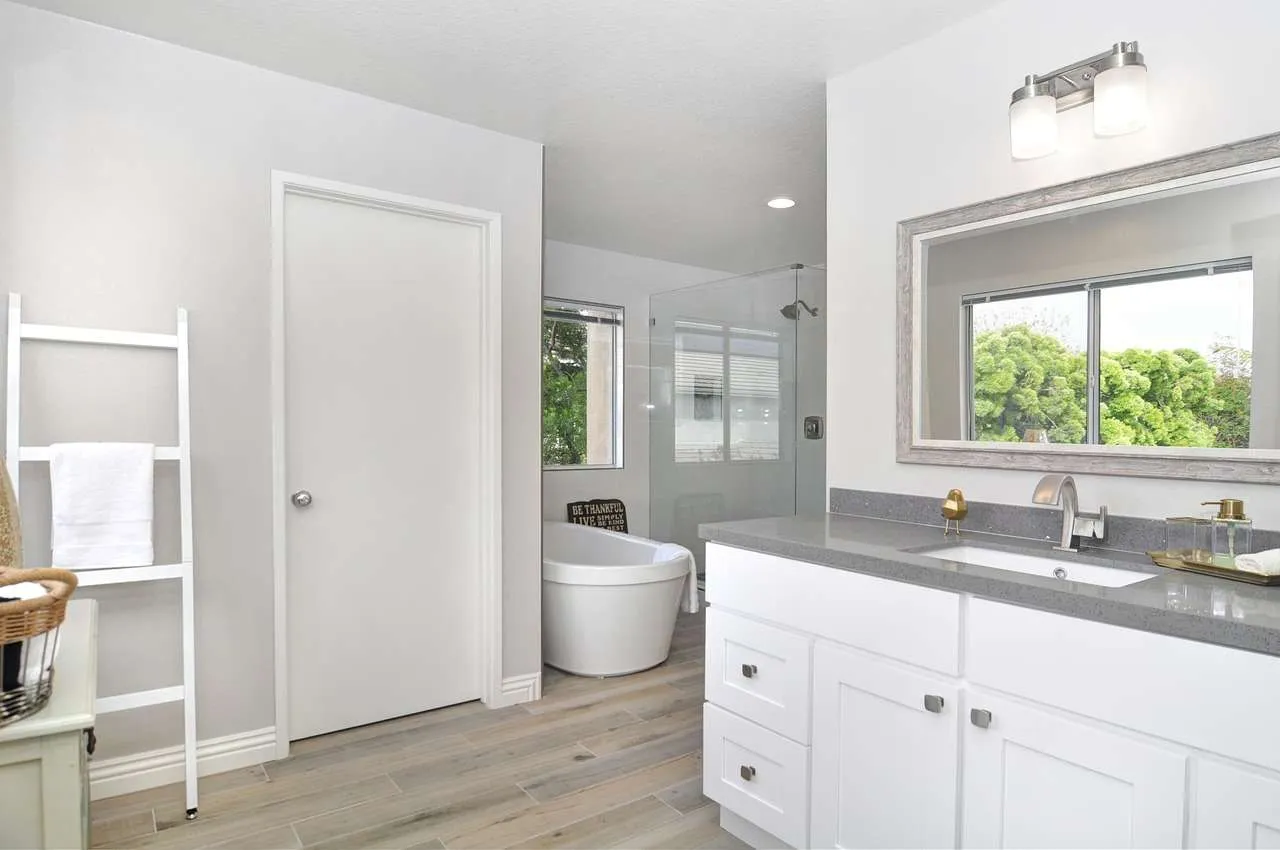
Small bathrooms present a design challenge, but with the right approach they become efficient, stylish spaces. The goal is to maximize usable area, improve flow, and reduce clutter without sacrificing comfort. This article compiles practical, expert-tested strategies that address common pain points: tight corners, limited storage, and the need for reliable moisture resistance. By combining layout planning, lighting, fixtures, and smart finishes, you can transform a compact bathroom into a calm, functional retreat while preserving resale value and everyday usability.
Smart layouts: planning for efficiency
Start with a careful measurement of the room and a clear plan that prioritizes the toilet and sink location, while giving the shower priority in the wet zone. Where possible, run utilities along the same wall to minimize piping and plumbing costs. For very narrow bathrooms, consider a corner shower or a shower stall with a bi-fold or sliding door to save door swing space. If you can, swap a standard vanity for a wall-mounted unit to create the illusion of more floor space and improve cleaning accessibility.
Color, lighting, and mirrors to open up space
Light colors and reflective surfaces make small rooms feel larger. Use a neutral palette with one accent color and incorporate large mirrors or a mirrored cabinet to bounce light around. Recessed lighting above the shower and vanity reduces shadows and helps the space feel bigger. For windows, opt for sheer treatments or frosted glass that provide privacy while letting in daylight.
Fixtures and storage that save space
Smart, space-saving fixtures are the backbone of small bathroom design. A compact, wall-mounted toilet or a dual-flush model saves valuable floor area. A pedestal sink or a narrow vanity with slim cabinetry keeps surfaces clear. For storage, install tall, slender cabinetry, open-shelving above the toilet, and recessed niches in the shower for toiletries. Use recessed medicine cabinets and vanity drawers with organizers to reduce clutter and improve daily routines.
Toilet options
Wall-mounted toilets create a streamlined look and can free floor space, while recessed traps reduce bulk and improve cleaning. Choose models with quiet close lids and dual-flush mechanisms for efficiency.
Shower choices
Sliding or bi-fold doors, or a corner shower with a clear glass enclosure, maximize visual space. If you prefer a tub, consider a small alcove tub with a shower over it or a combination tub/shower unit to keep wet zones compact.
Vanities and countertops
Opt for a vanity with integrated sink and slim drawers. A floating vanity visually lifts the floor and creates easier cleaning access. Add a compact medicine cabinet with mirrored fronts to gain hidden storage without extra bulk.
Materials and finishes for durability and style
Choose moisture-resistant materials such as porcelain tiles, quartz countertops, and solid-surface backsplashes. Large-format tiles reduce grout lines, while a glossy tile or glass backsplash reflects light. Matte finishes can hide water spots, but ensure slip resistance for floors. In small rooms, continuity of color from walls to the floor enhances the sense of space.
Practical comparison: layout options for small bathrooms
| Option | Pros | Cons | Best For |
|---|---|---|---|
| Shower enclosure with glass walls | Visually expands; easy to clean; modern | Can be costly; requires precise installation | Wet zones in narrow layouts |
| Wall-mounted vanity | More floor space; minimalist look | Limited storage unless paired with tall cabinetry | Tight square footage |
| Pocket door or sliding door | No swing clearance; increases usable width | Construction complexity and cost | Extremely tight spaces |
| Large mirror or mirrored cabinet | Brightens room; adds hidden storage | Glare if lighting isn't balanced | Illusion of space and storage |
Real-world application: budgets and styles
Budgeting smartly can yield big returns. Focus on durable, easy-to-maintain elements, and invest in a high-quality shower door and moisture-resistant fixtures. For a modern spa-like vibe, use soft neutrals, warm wood accents, and subtle metallic hardware. For a practical family bathroom, prioritize storage, non-slip flooring, and accessible fixtures. Always verify plumbing distances before purchasing, and consider hiring a licensed installer for complex tasks such as wall recesses and door installations. Reading product reviews and consulting a local designer can prevent costly mistakes and speed up execution.
Conclusion
Conclusion, by combining smart layouts, lighting, and storage, you can maximize every inch of a small bathroom without sacrificing style. The strategies above—compact fixtures, reflective surfaces, layered lighting, and practical storage—provide a blueprint for success in any home.