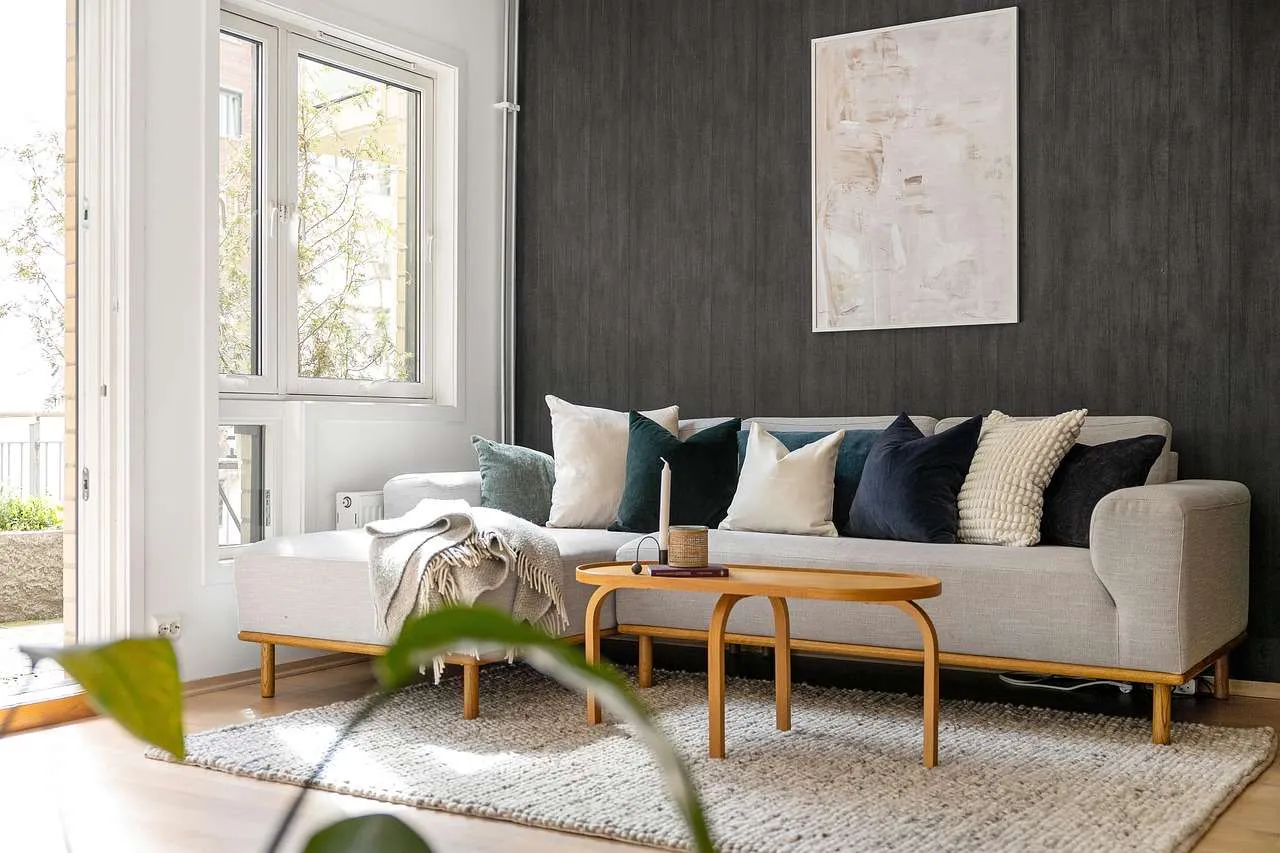
Home window tinting is a practical upgrade for many homeowners. It helps protect interiors from UV damage, reduces glare, and lowers energy costs, while adding privacy and style. This guide explains how tint films work, the available options, how to choose a qualified installer, and what to expect during and after installation.
Why choose home window tinting
Tinting your home windows offers multiple benefits. High-performance films block UV rays that fade fabrics and artworks, reduce heat transfer to keep rooms cooler, and diminish glare on screens and throughout living spaces. Tinted windows also provide enhanced privacy without sacrificing daylight. In addition, some films hold shattered glass together in the event of impact, contributing to overall safety. When selected and installed properly, home window tinting can improve comfort, extend the life of furnishings, and support energy efficiency.
Types of window tint films
Dyed window films
Dyed films are typically budget-friendly and offer noticeable glare reduction and color stability. They are an attractive option for those seeking improved aesthetics and privacy. Downsides include lower durability and heat rejection compared with other advanced films, and they may require replacement sooner in high-traffic areas.
Metalized window films
Metalized films reflect a portion of radiant heat and provide strong glare control. They can also enhance privacy. However, some-metalized options may interfere with electronic devices and cause visible bands under certain lighting. Modern installations often balance these effects with non-metallic components to minimize issues.
Ceramic window films
Ceramic films offer the best overall performance, combining excellent UV rejection, high heat reduction, and optical clarity without metal or reflectivity. They are non-conductive, which means they won’t interfere with electronics or mobile signals, and they tend to maintain color and integrity over time. The main trade-off is higher upfront cost.
Carbon window films
Carbon films provide strong heat rejection with a non-reflective, matte appearance. They maintain color stability and are more durable than basic dyed films. While priced higher than dyed options, carbon films typically offer a good balance of performance and long-term value.
Choosing an installer and evaluating options
To ensure the best results, work with a licensed, insured professional who specializes in window tinting for homes. Request a portfolio of completed projects, references, and the manufacturer data for the film being recommended. Important considerations include warranty terms, removal and reinstallation options, and a written estimate that details the film type, shade, and expected performance metrics such as visible light transmission (VLT) and heat rejection.
- Ask for samples or small test panels to compare appearance and clarity on your windows.
- Confirm the installer adheres to local codes and any HOA guidelines that may apply to reflectivity or tint levels.
- Clarify aftercare recommendations and the process for warranty claims or film replacement.
Performance metrics to consider
Key metrics to review with your installer include:
- Visible Light Transmission (VLT): the percentage of visible light passing through the film; lower VLT means darker appearance and more privacy.
- UV Rejection: the percentage of ultraviolet rays blocked to protect furnishings and skin exposure.
- Heat Rejection: the film’s ability to reduce solar heat gain, contributing to energy savings.
- Glare Reduction: how well the film minimizes glare from the sun and bright screens.
- Warranty and durability: expected lifespan and coverage for bubbling, peeling, or fading.
Comparison of common tint film types
| Film Type | UV Rejection | Heat Rejection | Glare Reduction | Durability | Cost |
|---|---|---|---|---|---|
| Dyed | Moderate | Low–Moderate | Moderate | Moderate | Low |
| Metalized | High | High | Moderate | Moderate | Medium |
| Ceramic | Very High | Very High | Low | High | High |
| Carbon | High | High | Low–Moderate | High | Moderate |
Maintenance and considerations
After installation, follow the manufacturer’s cleaning guidelines. Use soft cloths and mild, non-abrasive cleaners to avoid film damage. Avoid harsh chemicals near seals and edges. Expect minor air bubbles or curing lines during the first weeks as the film settles. If warranty coverage is included, document any issues promptly and keep your installation records. Consider future window or home projects—film removals and replacements are typically best handled by the original installer to protect seals and warranty terms.
Legal and neighborhood considerations are important. Some jurisdictions or homeowner associations restrict reflectivity or require specific tint levels for street-facing windows. Always check local regulations and HOA guidelines before purchasing or scheduling installation to avoid conflicts and ensure compliance.
Summary
Conclusion, home window tinting offers UV protection, energy savings, privacy, and enhanced comfort when paired with the right film type and a qualified installer. Evaluate options based on your goals—privacy versus visibility, budget versus durability—and verify warranties, local codes, and maintenance requirements. A careful choice will deliver durable performance, improved interior conditions, and long-term value for your home.